
Trust is one of the most critical yet often overlooked elements in building sustainable peace. While policies, agreements, and programs play an important role, their effectiveness depends largely on the level of trust between individuals, communities, and institutions. Without trust, even well-designed initiatives struggle to produce lasting results.

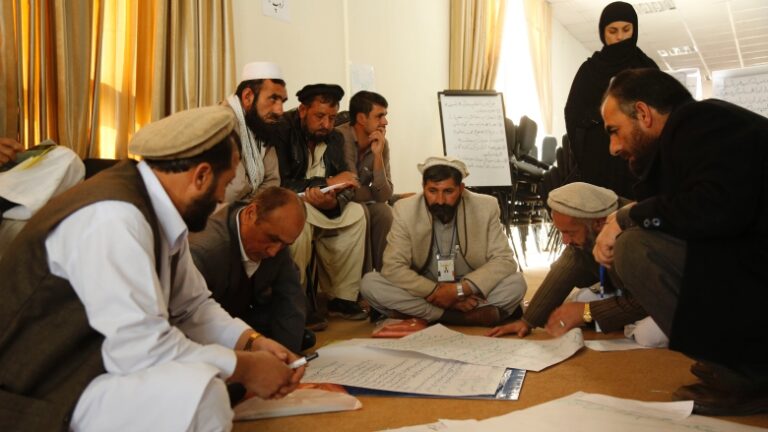
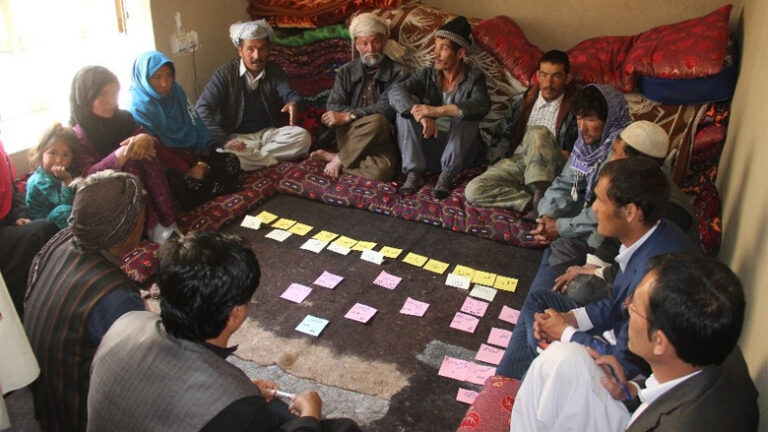
At the community level, trust enables open communication and cooperation. When people believe that others are acting in good faith, they are more willing to share concerns, participate in discussions, and work together toward solutions. In contrast, low levels of trust often lead to suspicion, isolation, and reluctance to engage, making it difficult to address even minor challenges.
Trust is particularly important in diverse communities where different groups may have varying perspectives, experiences, or interests. In such contexts, misunderstandings can easily arise. Building trust helps reduce these misunderstandings by creating space for dialogue and encouraging individuals to see issues from multiple perspectives.
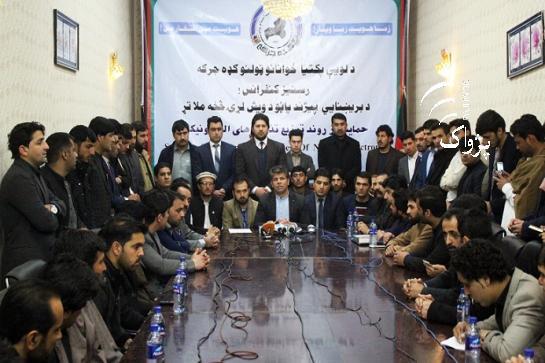
Another key dimension is trust in local leadership and institutions. Communities are more likely to support decisions and initiatives when they believe that leaders are fair, transparent, and accountable. A lack of trust in leadership can result in resistance, reduced participation, and weakened social cohesion. Strengthening this trust requires consistent behavior, clear communication, and inclusive decision-making processes.
Trust is not built through a single activity. It develops over time through repeated positive interactions. Small actions, such as keeping commitments, sharing information openly, and treating individuals with respect, contribute to building confidence among community members. These actions may seem simple, but their impact is cumulative and long-lasting.
However, trust can also be fragile. It can be weakened by misinformation, perceived injustice, or lack of transparency. When trust is damaged, rebuilding it requires patience and sustained effort. Acknowledging concerns, addressing grievances, and demonstrating genuine commitment to fairness are essential steps in restoring confidence.
Organizations involved in peacebuilding have a responsibility to support trust-building processes. This includes facilitating inclusive dialogue, promoting transparency, and ensuring that community voices are heard and respected. By strengthening relationships at the local level, these efforts contribute to a more stable and cooperative environment.
Sustainable peace is not only about resolving issues but also about maintaining relationships. Trust serves as the foundation for these relationships, allowing communities to manage challenges constructively and move forward together. Investing in trust is therefore not optional. It is essential for long-term stability.