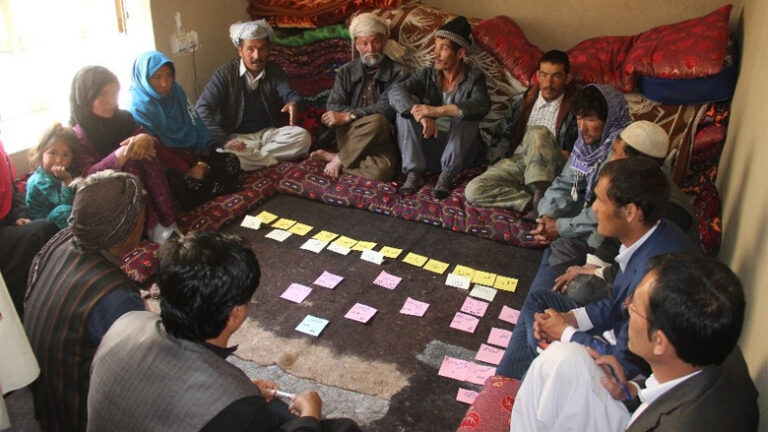
Peace is not only built through planned activities. In many cases, it is maintained by recognizing early signs of tension before they develop into larger problems. Communities that are able to detect and respond to these signals early are far more likely to remain stable.
One of the most common early warning signs is a breakdown in communication. When individuals or groups stop engaging with each other, avoid dialogue, or rely on rumors instead of direct conversation, misunderstandings begin to grow. Silence and avoidance often indicate underlying issues that need attention.
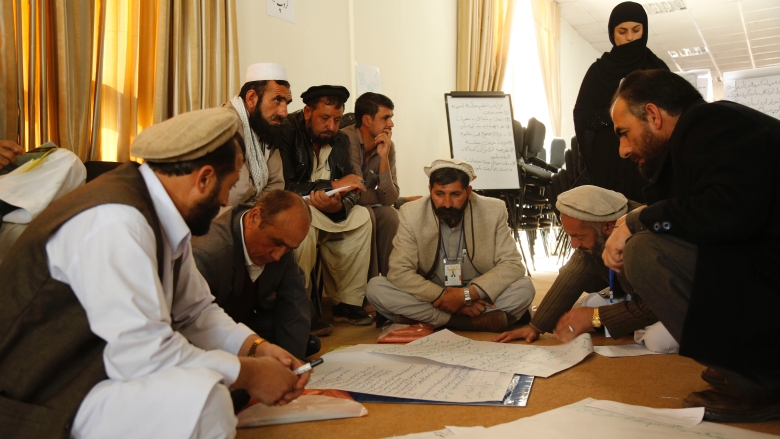
Photo credit: World Bank
Another important indicator is the spread of misinformation and rumors. In many communities, unverified information can travel quickly and influence perceptions. When people begin to act based on assumptions rather than facts, tensions can rise rapidly. Monitoring how information spreads and addressing false narratives early is essential.
Changes in social behavior can also signal growing tension. This may include reduced participation in community activities, increased isolation of certain groups, or visible divisions between different segments of the population. These shifts often reflect deeper concerns that are not being openly discussed.
Economic pressure is another factor that can contribute to instability. Competition over limited resources, such as water, land, or employment opportunities, can create frustration and increase the risk of disputes. While these issues may appear practical, they often carry social and emotional dimensions that require careful handling.
Responding to early warning signs requires a calm and structured approach. The first step is verification. Before taking action, it is important to confirm whether the concern is real or based on misinformation. Acting on incorrect assumptions can worsen the situation.
The next step is engagement. Community leaders, elders, and respected individuals should initiate conversations with those involved. These discussions should focus on understanding concerns rather than assigning blame. Early engagement helps prevent escalation and builds trust.
Another effective response is promoting transparency. Sharing accurate information openly can reduce confusion and limit the spread of rumors. When people feel informed, they are less likely to rely on speculation.
Finally, it is important to encourage collective problem-solving. Bringing community members together to identify solutions fosters a sense of shared responsibility. Even small agreements can reduce tension and create momentum for further cooperation.
Recognizing early warning signs is not about expecting conflict. It is about maintaining awareness and acting responsibly. Communities that develop this capacity are better equipped to manage challenges and protect long-term peace.