In today’s complex social environment, sustainable peace cannot be achieved through centralized decisions alone. Across Afghanistan, experience continues to show that the most effective and lasting peacebuilding efforts are those led by communities themselves. Local ownership is not just a principle. It is a necessity.
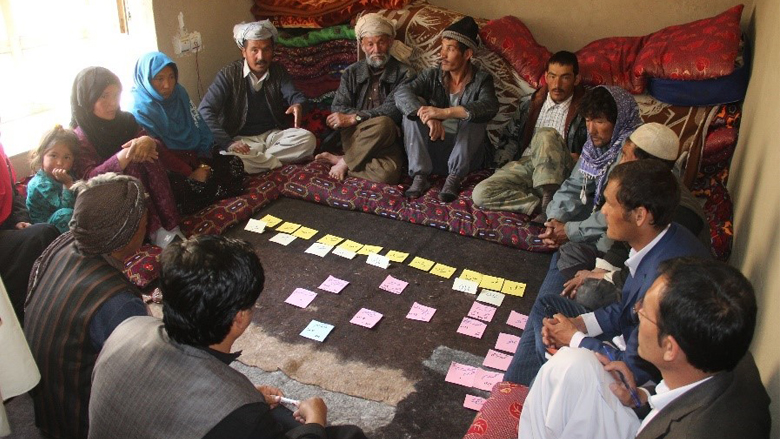
Photo Credit: World Bank
Community-led peacebuilding focuses on empowering individuals and groups at the local level to identify challenges, manage tensions, and develop solutions that reflect their own realities. Unlike externally driven interventions, these approaches are grounded in trust, cultural understanding, and long-standing social structures.
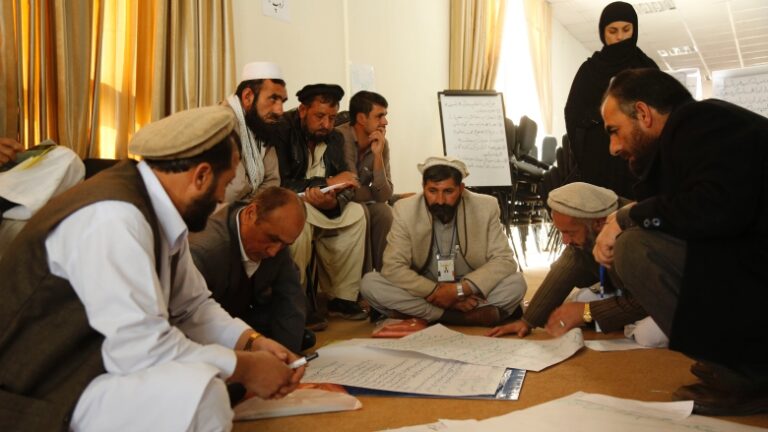
One of the most effective methods is inclusive community dialogue. Bringing together elders, youth, religious figures, and other stakeholders creates space for open communication and mutual understanding. These dialogues help reduce misunderstandings, address grievances early, and prevent small tensions from escalating into larger problems. When people feel heard, they are less likely to resort to confrontation.
Another practical approach is the strengthening of local mediation mechanisms. In many communities, respected individuals already play a role in resolving disputes. Supporting these informal systems with basic training in negotiation, neutrality, and communication can significantly improve their effectiveness. The goal is not to replace traditional structures, but to enhance their capacity to manage modern challenges.
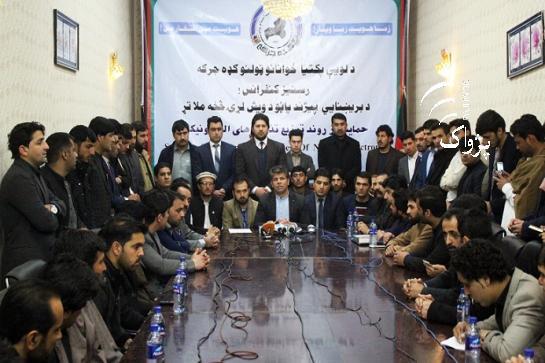
Youth engagement has also emerged as a critical factor in successful peacebuilding. Young people represent a large portion of the population and often have the energy and motivation to drive change. By involving them in community initiatives, awareness campaigns, and leadership activities, communities can transform potential frustration into positive contribution. When youth feel included, they become protectors of stability rather than sources of disruption.
Equally important is the role of trust and social cohesion. Communities with strong internal relationships are better equipped to handle disagreements peacefully. Trust is built through transparency, fairness, and consistent communication. Small actions, such as joint community projects or shared decision-making processes, can gradually strengthen these bonds.
However, community-led peacebuilding is not without challenges. Limited resources, external pressures, and shifting social dynamics can affect local efforts. This is where organizations like the Afghanistan Institute of Peace play an important role. By providing technical support, facilitating dialogue, and connecting communities with broader networks, such institutions help ensure that local initiatives are not isolated but reinforced.
The key lesson from 2026 is clear. Peace is not something delivered from outside. It is built daily within communities through participation, cooperation, and shared responsibility. Strengthening these local processes is one of the most practical and effective ways to create lasting stability.