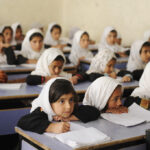
Sustainable peace is not built only through agreements or interventions. It is shaped over time through the values, attitudes, and behaviors of individuals. One of the most effective ways to promote long-term stability is by investing in peace education, particularly among young people.
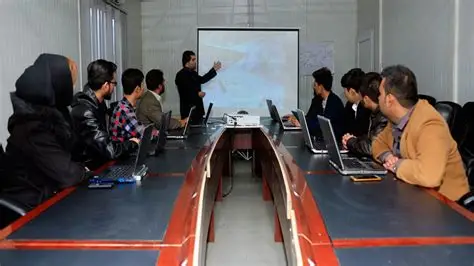
Peace education focuses on developing skills that enable individuals to manage differences constructively. These include communication, empathy, critical thinking, and cooperation. When young people learn how to engage respectfully with others, they are better equipped to navigate challenges without resorting to tension or division.
In many communities, young people face a range of social and economic pressures. Limited opportunities, exposure to misinformation, and a lack of structured engagement can influence how they respond to challenges. Without guidance, frustration can easily turn into negative behavior. Peace education provides an alternative by offering practical tools for positive engagement.
One key component of peace education is promoting tolerance and mutual respect. This involves encouraging individuals to understand different perspectives and recognize the value of diversity. When people learn to appreciate differences rather than fear them, the foundation for peaceful coexistence becomes stronger.
Another important element is developing problem-solving skills. Instead of reacting emotionally to disagreements, young people can learn to analyze situations, identify solutions, and work collaboratively with others. These skills are not only useful in preventing disputes but also in strengthening community relationships.
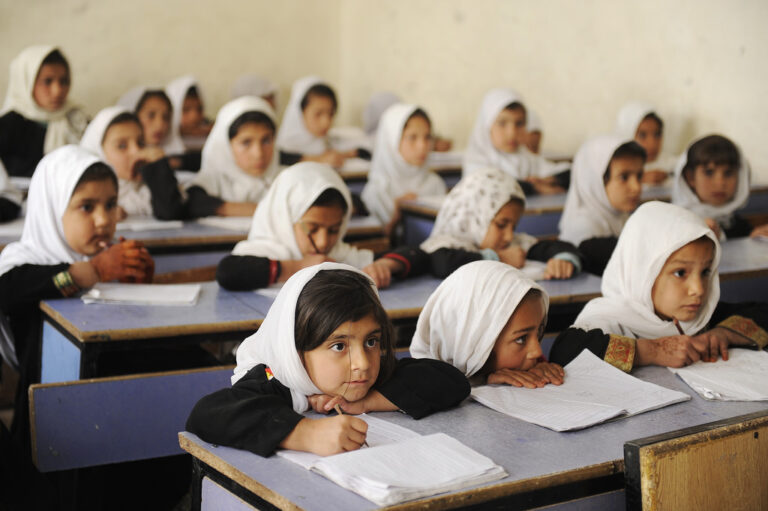
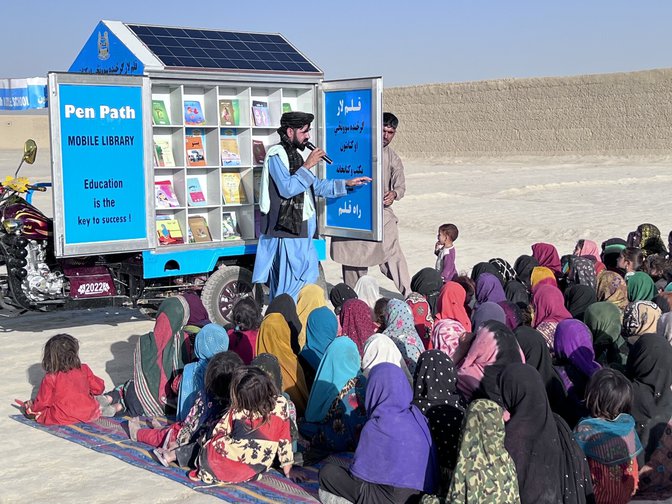
Peace education can take many forms. It may be integrated into school activities, delivered through community programs, or facilitated through informal discussions and workshops. What matters most is consistency and relevance to the local context. Programs that reflect real-life situations are more likely to have a lasting impact.
The role of teachers, community leaders, and families is critical in this process. By modeling respectful behavior and encouraging open communication, they create an environment where positive values can grow. Young people are more likely to adopt these behaviors when they see them practiced consistently around them.
Investing in peace education is a long-term commitment. The results may not be immediate, but they are sustainable. Communities that prioritize education as a tool for peace are not only addressing current challenges but also building a generation that is better prepared to maintain stability in the future.